

It’s time to reinvent the dad bod. Being skinny fat with a beer gut is not how we should age. Not only because of the inherent health risks but because we want to be role models for our kids and to get freaky with the wife more often.
Being in great shape ticks all of these boxes. Lifting weights is part of the equation. The other part is your nutrition. Within your nutrition, supplements make your life easier. Much easier. Not to mention the extra edge they can give you in your training. So here are the best supplements for building muscle over 40!
Protein Powder
Creatine
Vitamin D
Beta Alanine
Table of Contents
Protein Powder
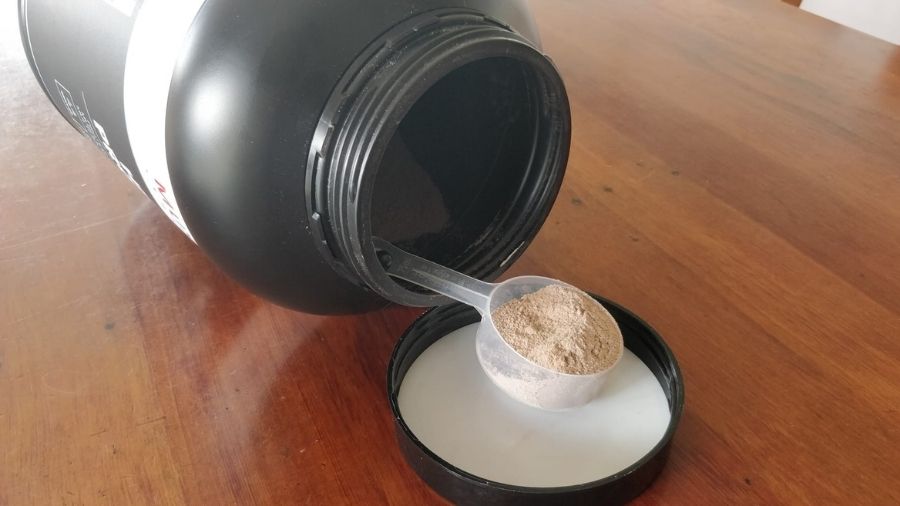
There is a pervading myth that as you get older, you don’t need to eat as much protein. However, research in the British Journal of Nutrition found that consuming 40 g of whey protein after exercise stimulated a greater muscle-building response than 20 g of whey or less in the elderly [1].
Now I know you are not part of the elderly population as you're not far past 40! However, aging is associated with reduced food intake (and therefore, protein intake) and what is known as “anabolic resistance” [3,4].
This anabolic resistance means you are less responsive to protein so you need more to trigger the muscle-building response as demonstrated in the study above.
Compared to older adults, young adults may only need between 5-20 g of protein to maximize the muscle-building response as consuming 40 g shows no further gains [2]. It seems that >2 g of leucine, an ECAA and BCAA, is needed as part of the protein supplement to trigger the muscle-building response. If you are taking a protein supplement, you don't need to worry about this as you’ll reach this target.
Further, the theory of leucine being the most important amino acid for building muscle may not be so strong as protein sources such as beef protein powder doesn't spike the muscle-building response to the same degree as whey protein initially, it elevates amino acid concentration in the bloodstream much longer which results in similar increases in lean body mass [5].
Additionally, when total daily protein intake is high enough, leucine intake doesn't seem to significantly impact the overall muscle-building response.
Supplementing with protein powder is an easy way to elevate your total protein intake each day and to retain or build muscle. This is highly important as you age, preserving muscle mass maintains your metabolic health and minimizes your risk of disease such as diabetes and osteoporosis [6].
How Much Protein Should You Take And When?
One serving after your workout likely going to be enough. But you’re not limited to using protein powder directly after your workout. You can drink it anytime to increase your daily protein intake. For example, you may have one serving after your workout and another serving after dinner to meet your protein requirements.
Which Protein Powder Is Best?
With protein powders, you have two main choices in my experience. That is whey protein or beef protein. Whey protein is a staple with a lot of research behind it. You can’t go wrong there. However, if you struggle with a dairy allergy, you can rule whey protein out.
Therefore, beef protein is your best option. The beef protein from Paleo Pro and is the highest quality beef protein I have come across. It tastes great too which isn’t usually the case with beef protein powders! You can see my full Paleo Pro Beef Protein review here.
Creatine
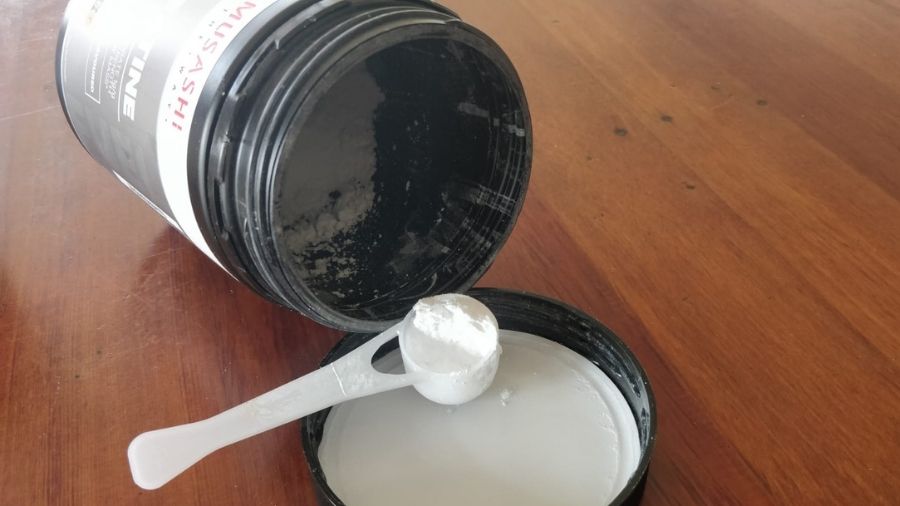
Creatine is so damn cheap and effective you have no reason not to be taking it. A quick rundown on how creatine works. Your muscles need the energy to contract. This energy comes in the form of adenosine triphosphate (ATP). Triphosphate meaning three phosphate molecules.
As energy is used, ATP becomes adenosine diphosphate (ADP). This means the ATP has lost a phosphate molecule so ADP needs a new phosphate molecule to be restored to its former glory of ATP.
These phosphate molecules are floating around in your muscle and are attached to creatine molecules and together, they are known as phosphocreatine. Once they all get used up, your aerobic and anaerobic energy systems must make more from carbohydrates.
By supplementing with creatine, you are increasing the number of phosphates you have floating around and therefore, have more immediate energy that can be used by the muscles.
This leads to being able to generate more force, power, and even get extra reps during training. In fact, lifters can potentially increase their strength by 8% [7]! But that’s not all. Creatine has a neuroprotective mechanism that prevents neurodegenerative diseases such as Alzheimer's [8].
There are too many benefits with very little to no downside to not take creatine.
Which Creatine Is Best?
Creatine monohydrate is the most studied and most effective form of creatine. It is also the cheapest. Other forms of creatine have not been shown to be any better than monohydrate. So stick with the tried and true.
How Much Creatine Should You Take?
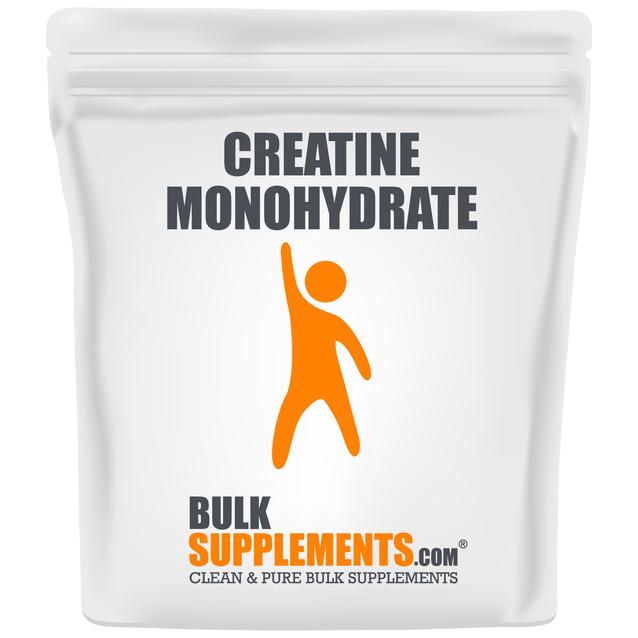
5 g or 1 tsp every single day. Take it at any time of the day. Just be consistent. You don’t need to load it either. Those who report stomach distress are taking 20 g a day when loading it. There is no need to do this. The creatine brand below is the best priced for the amount you get.
Vitamin D
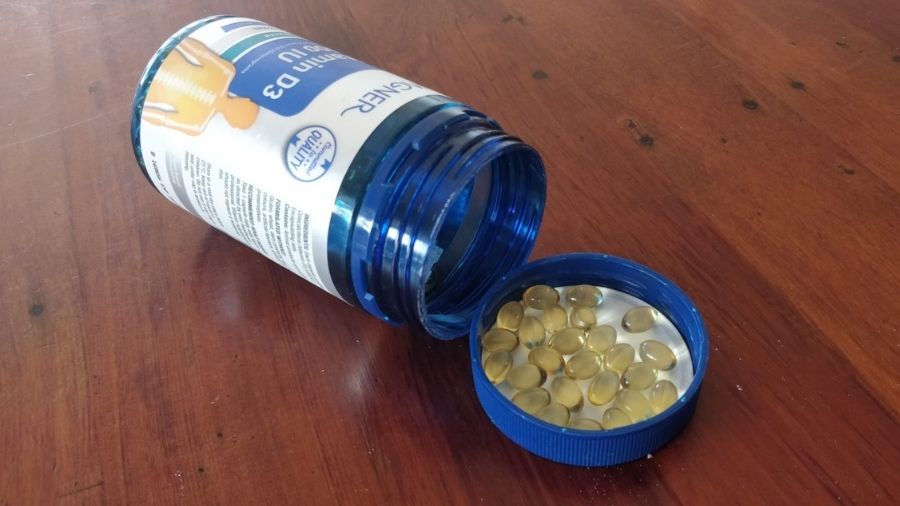
With many of us working indoors, vitamin D deficiency is on the rise. This is no good for those of us over 40 wanting to build muscle. Having adequate vitamin D levels is associated with bone mineral density, improves strength, strengthens the immune system, and influences muscle growth especially Type II muscle fibers [9].
A simple fix is to just get more sunlight on your skin during the day. This is not always possible hence the need for a vitamin D supplement.
How Much Vitamin D Should You Take?
The best way to determine this is to get a blood test to see if you are deficient and have a professional let you know how much to take. Vitamin D tests can be expensive. I understand. If you are rarely in the sun, supplementing with vitamin D may be helpful.
A dose between 1000-2000 IUs per day is the recommended range.
Which Vitamin D Should You Get?
You want to get vitamin D3, not D2. Further, it's always good to have vitamin D that uses good oil. Many brands use soybean oil which is not great. NOW Foods uses extra virgin olive oil so is a better choice.


Beta Alanine
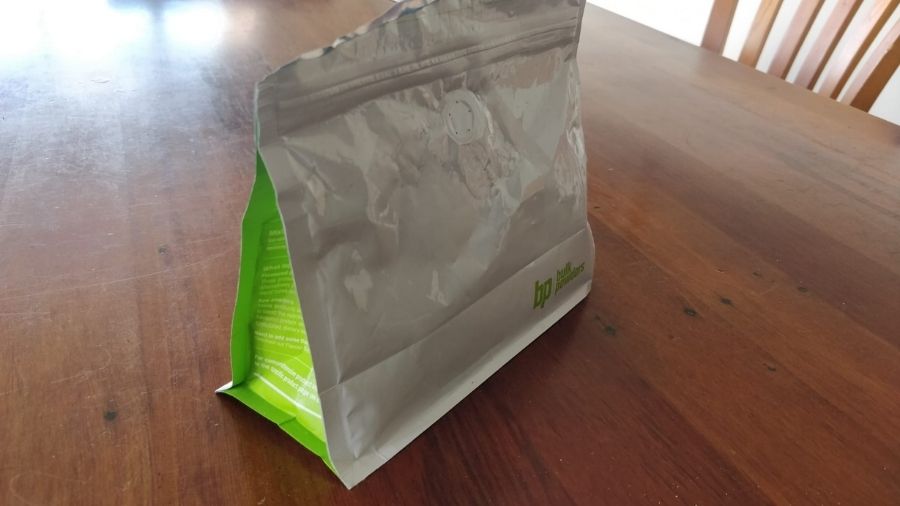
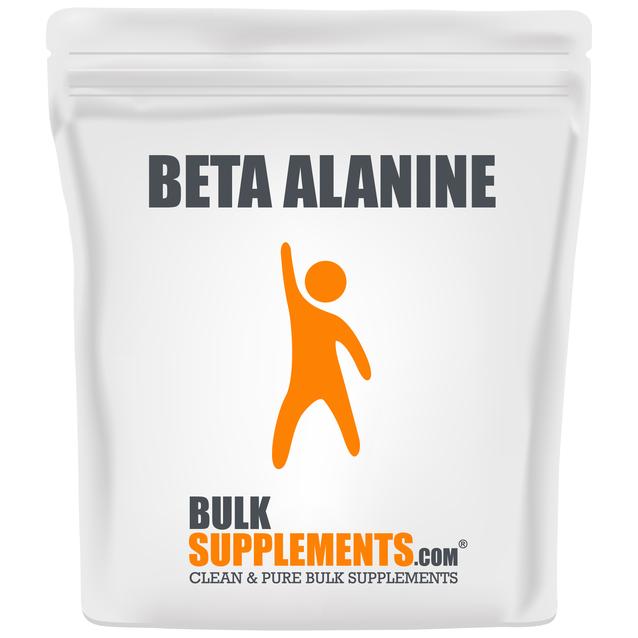
Beta Alanine works by increasing the levels of carnosine [10]. Carnosine acts as a buffer of the metabolic by-products from anaerobic metabolism known as hydrogen ions (H+). As hydrogen builds up in the muscle from intense exercise, the muscle becomes more acidic leading to a reduced ability to contract the muscle resulting in fatigue.
The aerobic energy system tries its best to clean up the mess of hydrogen but as the intensity gets too high (i.e. high rep sets of lifting), it cannot keep up and can no longer suck up all of the hydrogen ions. When more carnosine is present, it can buffer these hydrogen ions delaying fatigue [11]. Therefore, you can get more reps done and more gains made!
This is highly effective during exercise lasting 30 seconds to 10 minutes. Performing high rep sets can run past 30 seconds when you are not rushing them so beta alanine can help with your performance on these brutal sets.
How Much Beta Alanine Should You Take?
3.2-6.4 g per day is recommended as a chronic daily dose. However, this should be split into smaller doses as the tingling sensation you get will be very uncomfortable. Tingling for me starts at my feet and slowly moves to my face!
So, splitting it up into smaller doses every 3-4 hours is a better strategy than feeling like you have ants in your pants.
Frequency Asked Questions
Can You Rebuild Muscle After 40?
You can rebuild muscle at almost any age. It is just going to require a different strategy than when you were a teenager. You don’t have the same recovery ability as you did when you were younger. So, you may train with a slightly lower volume in the beginning and a reduced frequency. Start with three times a week of weight training and progress from there.
Should A 40 Year Old Man Take Creatine?
Unequivocally you should take creatine as a 40-year-old man. One reported side effect that may steer some men away from creatine is hair loss. Now, there is no direct evidence supporting this claim. It is extrapolated from the fact that creatine increases DHT [12], an androgen that can shrink hair follicles.
However, DHT is also increased by weight training. The idea of creatine leading to hair loss may only be relevant in those who have a genetic predisposition or a family history of hair loss. If that is the case, then you can monitor your reaction when taking creatine.
Can A 40 Year Old Get A Six Pack?
You can definitely get a six-pack at 40 years old. A six-pack is a sign of having low body fat. Being lean requires you to maintain as much muscle mass as possible (by lifting weights and having a high protein intake) while eating at a caloric deficit (eating fewer calories than you need daily). Do this consistently and you will eventually get your six-pack.
Is 40 Too Old To Start Working Out?
It is never too late to start working out. All that changes is your workout strategy. If you’ve never trained before, then start light and hire a trainer to show you the ropes. Your body needs time to adapt to the new demands you are placing on your body.
If you were a high school or college stud but haven't trained since you will still need to start light and easy. But your progress should be much quicker and you'll be able to claw back a lot of the strength and muscle you used to have.
References
1. Yang, Y., Breen, L., Burd, N. A., Hector, A. J., Churchward-Venne, T. A., Josse, A. R., ... & Phillips, S. M. (2012). Resistance exercise enhances myofibrillar protein synthesis with graded intakes of whey protein in older men. British Journal of nutrition, 108(10), 1780-1788.
2. Moore, D. R., Robinson, M. J., Fry, J. L., Tang, J. E., Glover, E. I., Wilkinson, S. B., ... & Phillips, S. M. (2009). Ingested protein dose response of muscle and albumin protein synthesis after resistance exercise in young men. The American journal of clinical nutrition, 89(1), 161-168.
3. Witard, O. C., Wardle, S. L., Macnaughton, L. S., Hodgson, A. B., & Tipton, K. D. (2016). Protein considerations for optimising skeletal muscle mass in healthy young and older adults. Nutrients, 8(4), 181.
4. Giezenaar, C., Chapman, I., Luscombe-Marsh, N., Feinle-Bisset, C., Horowitz, M., & Soenen, S. (2016). Ageing is associated with decreases in appetite and energy intake—a meta-analysis in healthy adults. Nutrients, 8(1), 28.
5. Sharp, M. H., Lowery, R. P., Shields, K. A., Lane, J. R., Gray, J. L., Partl, J. M., ... & Wilson, J. M. (2018). The effects of beef, chicken, or whey protein after workout on body composition and muscle performance. The Journal of Strength & Conditioning Research, 32(8), 2233-2242.
6. Wolfe, R. R. (2006). The underappreciated role of muscle in health and disease. The American journal of clinical nutrition, 84(3), 475-482.
7. Rawson, E. S., & Volek, J. S. (2003). Effects of creatine supplementation and resistance training on muscle strength and weightlifting performance. The Journal of Strength & Conditioning Research, 17(4), 822-831.
8. Beal, M. F. (2011). Neuroprotective effects of creatine. Amino acids, 40(5), 1305-1313.
9. de la Puente Yagüe, M., Collado Yurrita, L., & Cuadrado Cenzual, M. A. (2020). Role of vitamin d in athletes and their performance: Current concepts and new trends. Nutrients, 12(2), 579.
10. Saunders, B., Elliott-Sale, K., Artioli, G. G., Swinton, P. A., Dolan, E., Roschel, H., ... & Gualano, B. (2017). β-alanine supplementation to improve exercise capacity and performance: a systematic review and meta-analysis. British Journal of Sports Medicine, 51(8), 658-669.
11. Huerta Ojeda, Á., Tapia Cerda, C., Poblete Salvatierra, M. F., Barahona-Fuentes, G., & Jorquera Aguilera, C. (2020). Effects of beta-alanine supplementation on physical performance in aerobic–anaerobic transition zones: A systematic review and meta-analysis. Nutrients, 12(9), 2490.
12. Van der Merwe, J., Brooks, N. E., & Myburgh, K. H. (2009). Three weeks of creatine monohydrate supplementation affects dihydrotestosterone to testosterone ratio in college-aged rugby players. Clinical Journal of Sport Medicine, 19(5), 399-404.